Fats and oils processing in rendering and fish industry
Most fish and animals contain fats and oils that is separated in high temp and low temp rendering processes.
The world market for fats and oils is
about 240 billion USD per year.
Fats and oils have a wide range of uses
as – edible and refined = food grade,
and – non edible = animal feed, chemical,
cosmetics, paints and raw material to make bio diesel
The difference between fats and oils is that those that stay solid at room temperatures are called fats while those that stay liquid at room temperatures are called oils.
Chemically, each fat or oil molecule consists of three long strings of fatty acid molecules combined with a glycerol molecule. Fats melt to liquid when heated.
Fats & Oils Markets by Type
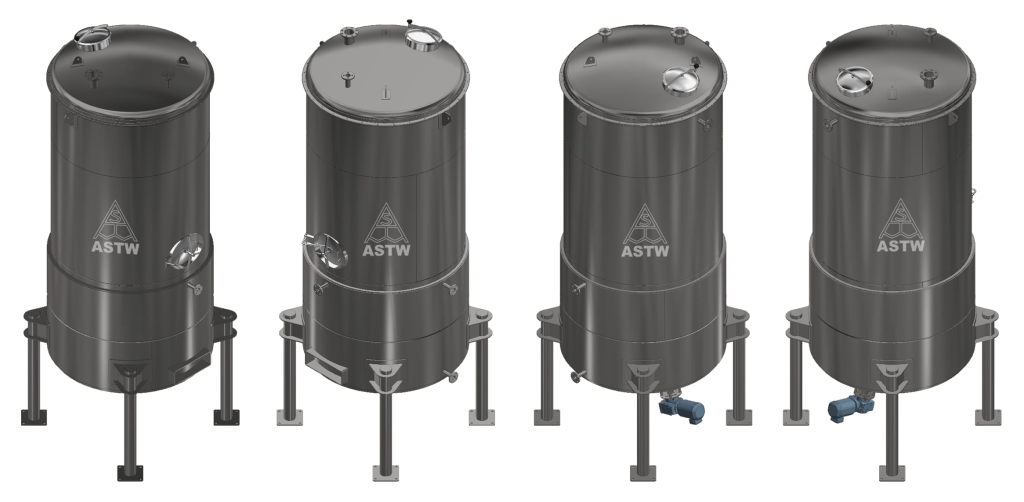
Animal oils and fats are bound in the cells and must be heated (cooked) to about 80 to 95 degree C. to break the cell walls and make the fats and oils free flowing and separateable.
The cooked mass is separated to solids and liquids in a screw press or a high speed decanter separator, both at inlet about 95 deg C.
1) High temp. It presses out only the oils and fats from a high pressure press in a high temp process as the water has already been evaporated.
2) Low temp. Mixed liquids such as water and fats and oils exit from a twin screw press in a low temp process.
After clarifying, the crude fats and oils contain about 0.2% remaining water and solids.
Quality (freshness) of fats and oils are measured in FFA = Free Fatty Acid Superb quality is 0.5 – 1% FFA, good quality is 2-3% FFA (rendering)
Free fatty acids (FFA) in plant oils and fats (e.g. edible oils and fats) are a quality feature for these fats and also reflects on the freshness of the raw material.
Fats with high levels of FFA are more susceptible to oxidative aging, they become rancid more quickly.
The FFA should be removed during a refining process.
High FFA is more expensive to remove.
Refining of crude fats and oils is more a chemical treatment process and is carried out in a separate plant. The end product gets a higher price.
Edible oils and fats, both vegetable and animal, are fully refined to improve the flavor, odor, color and stability.
Oils and fats for industrial use may be fully or partially refined, removing the unwanted compounds that affect the quality of the end product. The four main refining process steps are:
Proven success across 300+ installations worldwide. Discover how ASTW’s turnkey fishmeal and rendering solutions have helped global clients achieve superior efficiency, reduce operational costs, and exceed environmental compliance standards.
ASTW delivered a turnkey fishmeal plant in eastern Thailand, designed for lean fish and marine by-products. The project included full installation, energy-saving systems, and odor control to comply with local environmental regulations. Key Equipment 3-Phase Decanter LTR Disc Dryer Preheater Twin Screw Press WHE
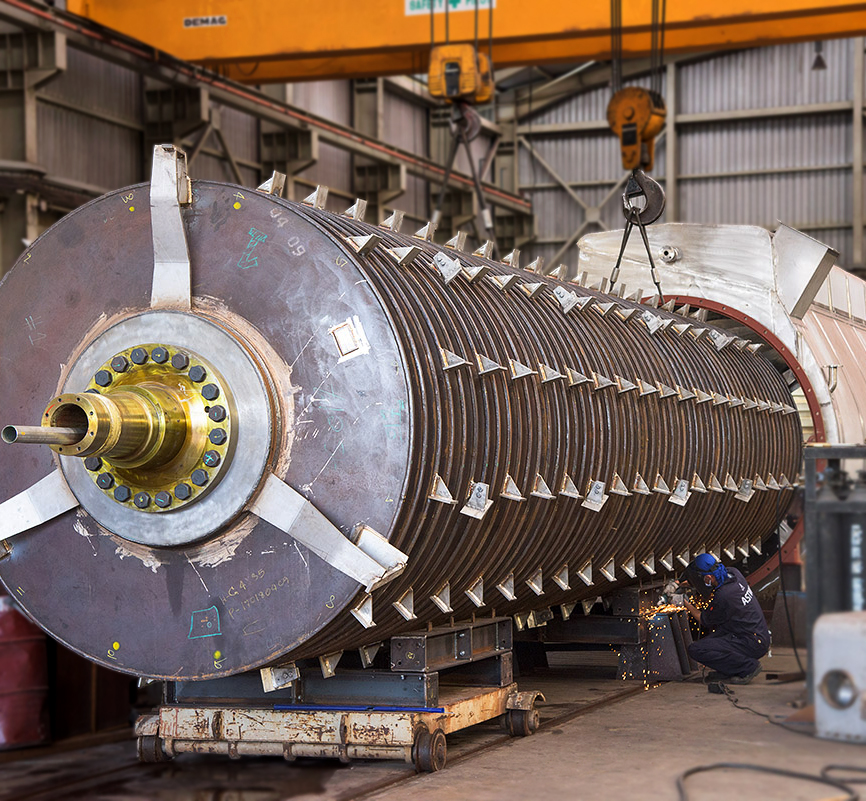
Proven success across 300+ installations worldwide. Discover how ASTW’s turnkey fishmeal and rendering solutions have helped global clients achieve superior efficiency, reduce operational costs, and exceed environmental compliance standards.
Our fishmeal and rendering plants process various raw materials including fish waste and by-products, poultry offal and feathers, beef and pork by-products, mixed animal waste, and seafood processing waste. Each plant is customized for specific material types to ensure optimal processing efficiency and product quality.
Yes, ASTW delivers complete turnkey solutions including engineering design, equipment manufacturing, worldwide shipping, on-site installation, system commissioning, operator training, and ongoing technical support. Our 40+ certified technicians handle projects from concept to full operation across 36+ countries.
We provide comprehensive 24-month equipment warranty, 5-year major component guarantee, lifetime technical support, global spare parts availability, preventive maintenance programs, and 24/7 emergency service. Our service network ensures minimal downtime and maximum plant performance.
Absolutely. Our plants include advanced odor control systems (biofilters, scrubbers, thermal oxidizers), environmental monitoring equipment, waste heat recovery systems, and compliance with international environmental standards including EU, EPA, and local regulations worldwide.
Emergency spare parts are available within 24-48 hours for critical components through our global distribution network. Standard parts ship within 5-7 business days. We maintain strategic inventory locations in Asia, Europe, and Americas to ensure rapid delivery worldwide.
Our plants range from 50 tons/day for smaller operations to 600+ tons/day for large-scale industrial facilities. We design custom solutions based on your raw material volume, product requirements, site conditions, and future expansion plans.